











ALL ARTICLES
The latest articles regarding drug addiction, treatment and parent resources.
Featured Article
-

Your Guide to In-Network Cigna Rehab Centers
Welcome to the First Step If you’re reading this, you’re already on the path to recovery. It’s a tough journey, but you don’t have to walk it alone. At 12…
Addiction Treatment Articles
-

How Can Motivational Interviewing (MI) Help My Recovery?
Experiencing ambivalence throughout recovery is normal. However, when these feelings are left unaddressed, they can hinder your ability to establish and maintain lasting sobriety. Fortunately, many treatment centers offer a variety of treatment approaches, such as motivational interviewing (MI). MI helps resolve ambivalence and encourages a flexible mindset needed to establish lasting change. If you…
-
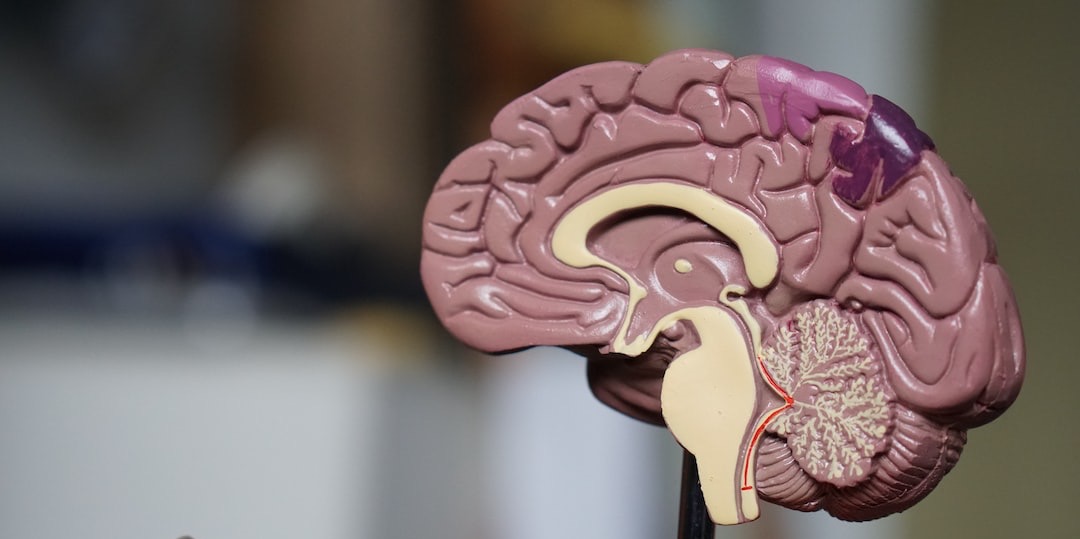
How Does Substance Use Disorder (SUD) Affect the Brain?
Substance use disorders (SUDs) are complex disorders of the brain, with addiction being the most severe form of SUD. These disorders range in severity and intensity, affecting every individual differently. However, what all SUDs have in common is that they affect an individual’s brain and behavior in long-lasting ways. While it is often common knowledge…
-

What Is Obsessive-Compulsive Disorder (OCD)?
The National Institue of Mental Health (NIMH) defines obsessive-compulsive disorder (OCD) as a “common, chronic, and long-lasting disorder in which a person has uncontrollable, recurring thoughts (”obsessions”) and/or behaviors (“compulsions” that he or she feels the urge to repeat over and over.” Many people may assume that OCD develops from a dire need to be…
-

What Is the Key to Long-Term Recovery?
Findings from the 2016 National Survey on Drug Use and Health (NSDUH) conducted by the Substance Abuse and Mental Health Services Administration (SAMHSA) revealed that nearly 35 million adults received mental health treatment in 2015. However, results from the 2020 NSDUH revealed that more than 41.4 million adults received mental health treatment in 2019. These…
-
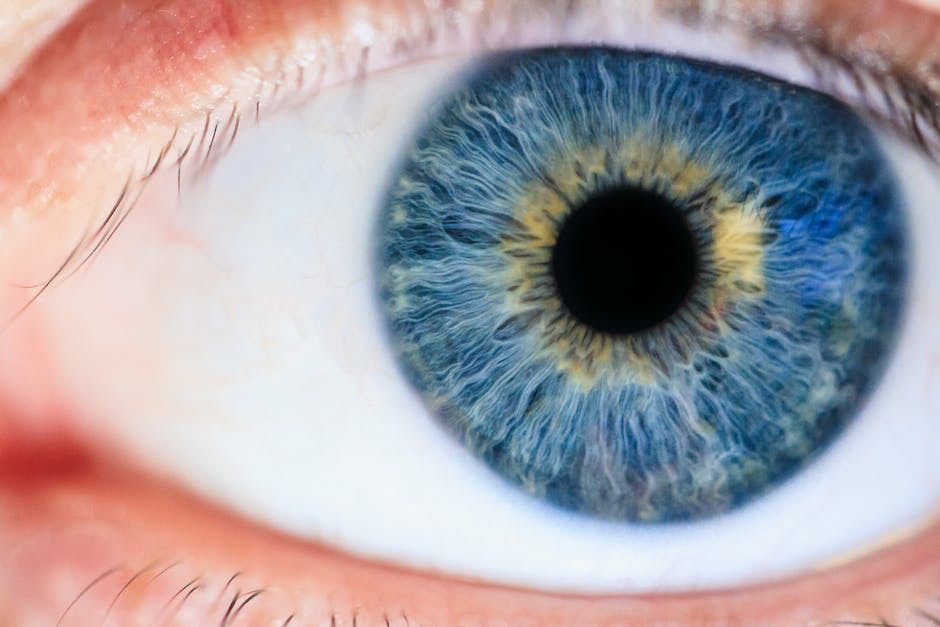
Is EMDR Right for You?
When seeking recovery from substance use disorder (SUD) and other mental health disorders, it is common for individuals to become overwhelmed by the number of treatment programs available. Fortunately, treatment facilities often offer several different types of treatment programs, offering clients access to an abundance of therapeutic interventions. Psychotherapy is often utilized in tandem with…
-

Challenging the Stigmas Associated With the LGBTQIA Community
In life, it can be difficult to figure out your interests and dislikes. For example, which music is preferred, what groups to be a part of and socialize with, trial and error with sports leagues, and finding the most comfortable yet hip style of clothing to wear. Every individual faces these challenges. However, others may…
-

Adventure Therapy for Teens
Do you remember playing outdoors as a kid and feeling a thrill of happiness all day? Rain, snow, or shine, there always seemed to be something to do. As a child, your imagination can run for miles. A burst of creativity that came with adventure made every day special. Those days do not have to…
-

Sober Living After a DUI
It has been almost a year since you received your DUI. You are still in the adjustment phase and are trying your hardest every day to stay sober. Drinking and driving under the influence was a dreadful mistake, but you are now moving forward. The fees are almost paid off. You spent your time in…
-

The Benefits of Yoga on Mental Health
Chronic stress associated with mental illness can be detrimental to an individual’s health. Some people find stress relief from a big nap, binge-watching television, or listening to music. These, when used in moderation, are relatively healthy coping mechanisms. However, when used in excess, they become harmful. In unhealthier situations, a person might use substances or…
-

What Is an Iop Program, and How Can It Help Young Adults?
An IOP program can be highly beneficial for young adults facing addiction challenges. Not many people understand the benefits of this method of treatment, but it can come with many perks. Learn about Outpatient Treatment and the various benefits in this article.
-

What Is Dialectical Behavior Therapy (DBT), and How Can It Help?
Do you experience intense emotions you struggle to manage? Maybe you have difficulty facing the everyday stress that comes from your mental health illness or have repetitive conflict in relationships with your spouse, friends, or family? Find out how DBT Therapy can help.
-

How to Help a Loved One With Major Depression
Witnessing a loved one facing challenges with symptoms of major depression alone can be heartbreaking. Learn more about the signs and symptoms of depression and strategies for support.
-

Benefits of Art Therapy
Finding ways to cope with mental illness can be overwhelming. Learn more about Art Therapy and how it may help individuals struggling with various mental health issues.
-

What Are the 4 Stages of Addiction?
Discover how addiction progresses as we take a look at the four stages of addiction and what they entail in this insightful guide from 12 South Recovery.
-

How to Help Someone You Love Who Has an Addiction
Is your loved one struggling with substance abuse, but you don’t know what to do? Discover healthy ways to help someone with an addiction in this guide.
-

Why Mental Health Disorders Co-Occur With Substance Abuse
Why do mental health disorders and substance use disorders occur together? Uncover the link between the two and contact 12 South Recovery for support today.
Your Insurance May Cover Treatment
We accept most major health insurance.
Call now to receive a private, no-obligations consultation for yourself or your loved one.