








Key Takeaways:
- Residential treatment in Lake Forest provides structured daily routines, therapy, and 24 hour support that help individuals stabilize early in recovery and begin healing in a calm, focused environment.
- Clients in Lake Forest receive daily therapeutic care including CBT, DBT, EMDR, group therapy, and holistic activities that address addiction, mental health symptoms, and emotional regulation within a residential setting.
- After completing residential treatment in Lake Forest, clients transition into step down programs that reinforce coping skills, maintain progress, and support long term recovery through continued guidance and structured care.
What Residential Treatment in Lake Forest Really Looks Like
Residential rehab can feel unfamiliar, especially when you don’t know what to expect. Many people wonder how treatment works, what daily life looks like, and how a structured environment supports recovery. Residential treatment gives individuals the chance to step away from stress and focus on healing in a safe, supportive setting. At 12 South Recovery, clients receive steady guidance, routine, and emotional support to help them move forward with clarity and confidence.

What Actually Happens During Residential Treatment in Lake Forest, CA
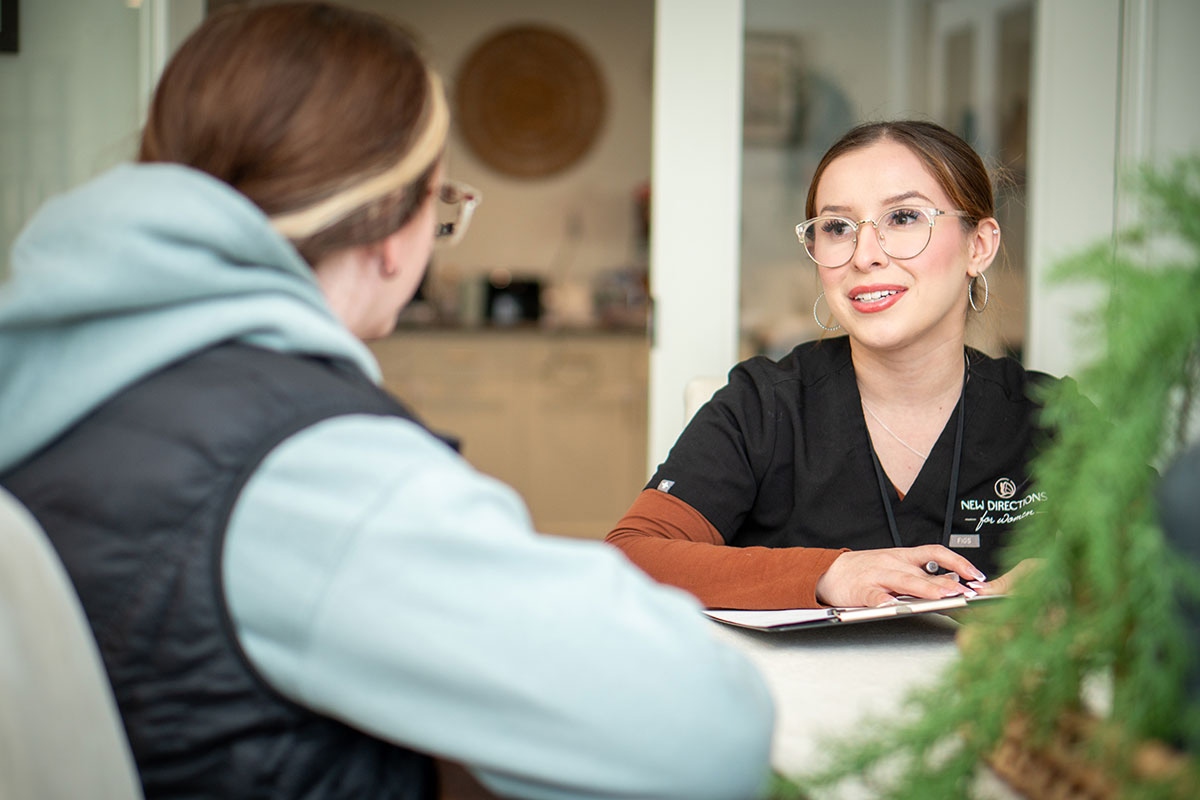
Residential treatment begins with an initial assessment so clinicians can understand each person’s symptoms, history, and goals. This helps build a treatment plan that meets individual needs while providing stability.
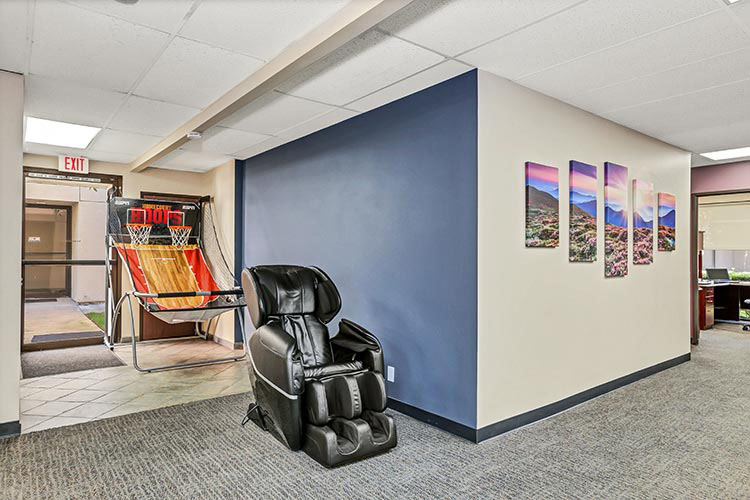
Clients settle into a structured, peaceful environment where they receive:
- 24 hour support
- Therapeutic guidance
- Medication management if needed
- A monitored detox placement process (when appropriate)
During the first few days, clients adjust to the routine, meet staff, and begin engaging in therapeutic activities that introduce emotional steadiness and healthy structure. Residential treatment also creates separation from triggering environments, allowing clearer thinking and emotional reset.
What Does a Typical Day Look Like in a Residential Rehab Program
Daily schedules are built around healing, stability, and routine. Structure helps clients reduce stress and regain a sense of control.
A typical day may include:
- Morning meditation or grounding practices
- Individual therapy focused on emotional, behavioral, or trauma related concerns
- Group therapy to build communication and connection
- Psychoeducation on addiction, mental health, and recovery skills
- Holistic activities such as fitness, yoga, or art
- Evening reflection, processing, or recovery based groups
Meals, rest, and downtime are built into the day to support balance and mental clarity. Staff remain available at all hours to support clients emotionally and physically.
How Does Residential Treatment Help With Mental Health and Addiction
Mental health symptoms and addiction often feed into each other, making recovery difficult without addressing both. Residential treatment provides a calm, structured space where emotional symptoms can be stabilized and processed.
Clients benefit from:
- Daily therapeutic support
- Emotional regulation training through CBT and DBT
- Trauma healing when appropriate using EMDR
- Skill building to manage triggers and daily stress
- A supportive peer community that promotes connection
Addressing mental health and addiction together helps reduce relapse risk and strengthens long term recovery.
What Kinds of Therapy Will I Receive in a Residential Treatment Setting
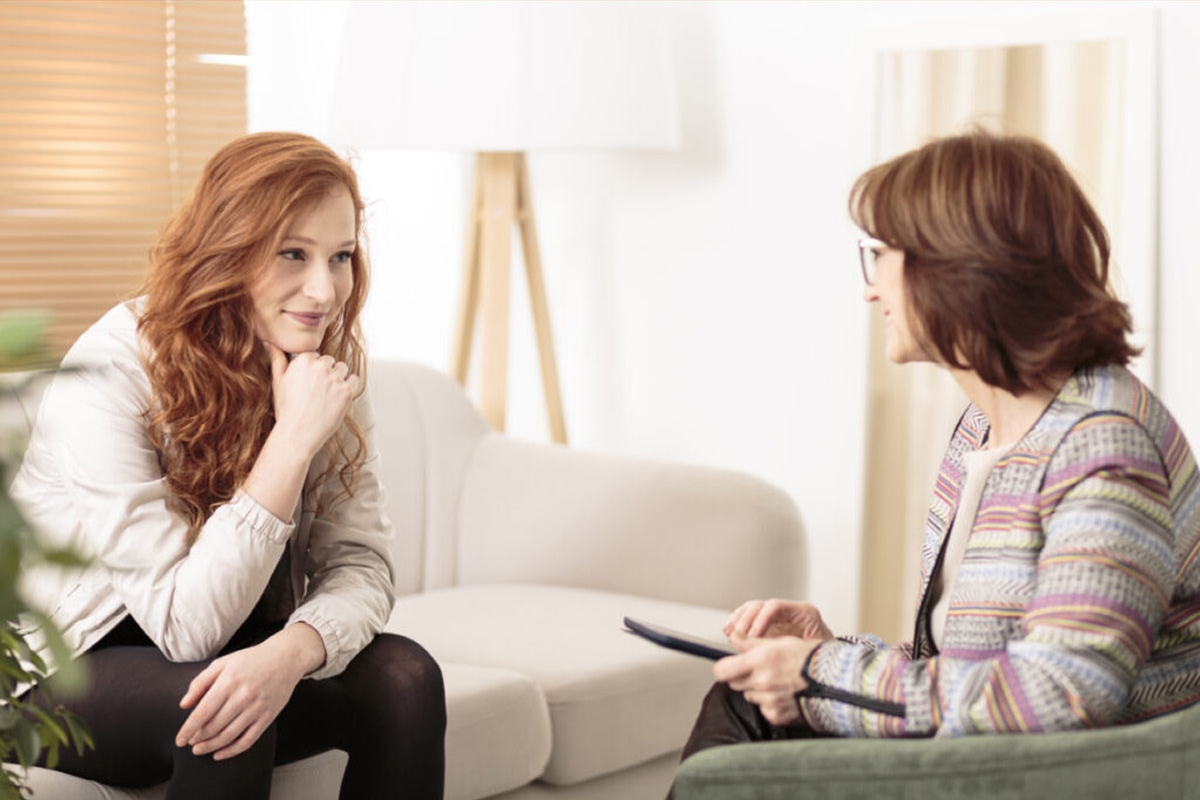
Therapy is the foundation of residential treatment. At 12 South Recovery, clients participate in therapies that help them build insight, develop coping skills, and understand the root causes of addiction.
Therapies include:
- CBT to shift unhelpful thought patterns
- DBT for emotional control and communication
- EMDR for trauma memories
- Individual therapy for personal processing
- Group therapy for support and accountability
- Holistic practices that support mind body balance
- Relapse prevention training to strengthen long term success
Each therapy works together to promote recovery, emotional healing, and long term confidence.
Will I Have Structure and Support Throughout My Stay
Yes. Residential treatment is built around structure and steady support. This helps clients feel grounded and safe as they work through emotional and behavioral challenges.
Support includes:
- A predictable daily routine
- Licensed therapists who guide treatment
- Residential staff available at all hours
- Consistent clinical check ins
- Skills training to reduce stress and strengthen coping
- A stable environment free from outside pressures
Structure helps clients regain emotional control and rebuild trust in their ability to manage daily life.
How Involved Are Families in Residential Treatment Programs
Family involvement can be an important part of healing. Residential treatment gives families tools to communicate better, understand addiction, and support long term recovery.
Family involvement may include:
- Scheduled therapy sessions
- Education about addiction and mental health
- Guidance on rebuilding trust and connection
- Support for developing healthier family patterns
Healthy family involvement improves client outcomes and helps make recovery sustainable after treatment.
What Happens After I Complete Residential Treatment in Lake Forest, CA
Once residential treatment is complete, clients transition into a step down level of care such as PHP, IOP, outpatient, or continuing care. This structure helps maintain progress while slowly reintroducing independence.
Aftercare may include:
- Continued therapy
- Support groups
- Relapse prevention planning
- Alumni involvement
- Life skills development
- Emotional support while adjusting back to daily life
Ongoing support strengthens long term recovery and helps clients build confidence after leaving residential care.
Start Residential Treatment at 12 South Recovery
Residential treatment provides the structure, safety, and therapeutic support needed to break old patterns and begin real healing. With daily therapy, consistent guidance, and a calm environment, individuals can rebuild stability and confidence as they move forward in recovery. The right support makes residential care a powerful first step toward long term change. If you’re ready to begin, Call 12 South Recovery Today!