









Key Takeaways:
- Residential drug rehab in Lake Forest gives clients a structured, stable setting where they can step away from triggers and begin recovering with consistent therapeutic support.
- Daily treatment in drug rehab, including therapy, wellness activities, and routine building, helps clients manage cravings, strengthen coping skills, and reduce relapse risk.
- After completing residential drug rehab, 12 South Recovery provides continued treatment and support that help clients maintain progress, prevent relapse, and build long term sobriety.
A Closer Look at Drug Rehab in Lake Forest
Drug rehab can feel unfamiliar, especially if this is your first time entering treatment. Many people wonder what the environment is like, how therapy works, and whether they will feel supported throughout the experience. Rehab in Lake Forest offers a calm, structured place where healing becomes possible through daily guidance, connection, and stability. At 12 South Recovery, clients receive genuine support and care during every step of addiction recovery.

The Healing Atmosphere of Drug Rehab in Lake Forest
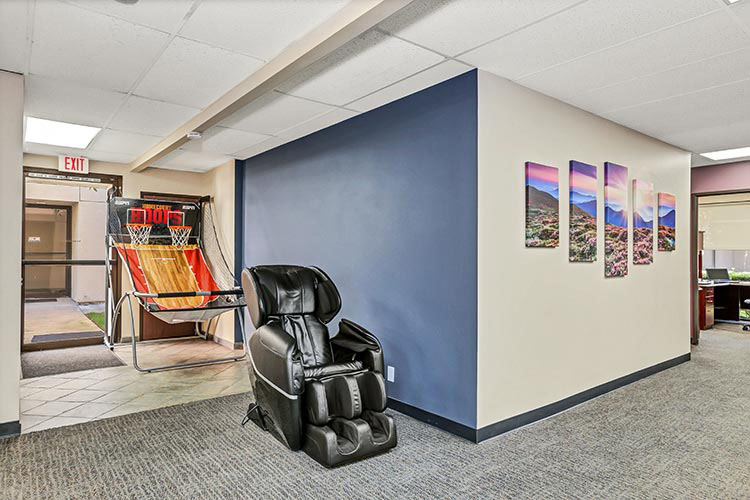
Drug rehab in Lake Forest offers calm surroundings, structured support, and a sense of safety that helps clients settle in quickly. The environment plays a meaningful part in healing. Clients can step away from stress, harmful environments, or draining routines that kept them stuck.
A peaceful setting also helps reduce anxiety, support emotional regulation, and prepare clients for therapeutic work. At 12 South Recovery, our environment encourages rest, reflection, and steady progress.
How Daily Structure and Routine Help Build Stability in Treatment
Daily structure helps clients rebuild balance and consistency. Many individuals enter treatment feeling scattered or emotionally drained. Structure brings order back into daily life.
A typical day includes:
- Morning wellness practices
- Individual and group therapy
- Psychoeducation classes
- Holistic healing activities
- Evening reflection and support
Having a consistent routine creates predictability and steadiness. It also helps clients rebuild healthy habits that support long term recovery.
Therapies Used to Support Addiction and Mental Health Healing
Therapy is the foundation of addiction treatment. Clients participate in evidence based therapies that address thoughts, emotions, and patterns that contributed to addiction.
Therapies include:
- CBT to shift harmful thinking
- DBT to support emotional regulation
- EMDR for trauma
- Individual therapy for personal growth
- Group therapy for connection
- Holistic practices for grounding and wellness
These therapies help clients build coping skills, improve self awareness, and strengthen emotional resilience.
What Community and Peer Support Look Like in Rehab
Healing grows stronger through connection. Community support plays an important role in addiction recovery. In residential treatment, clients talk openly, support one another, and learn through shared experience.
Peer support helps clients:
- Feel understood
- Build trust
- Strengthen accountability
- Reduce isolation
- Gain new insight
Being surrounded by people working toward similar goals increases motivation and emotional comfort.
How Medical and Clinical Teams Guide Each Stage of Recovery
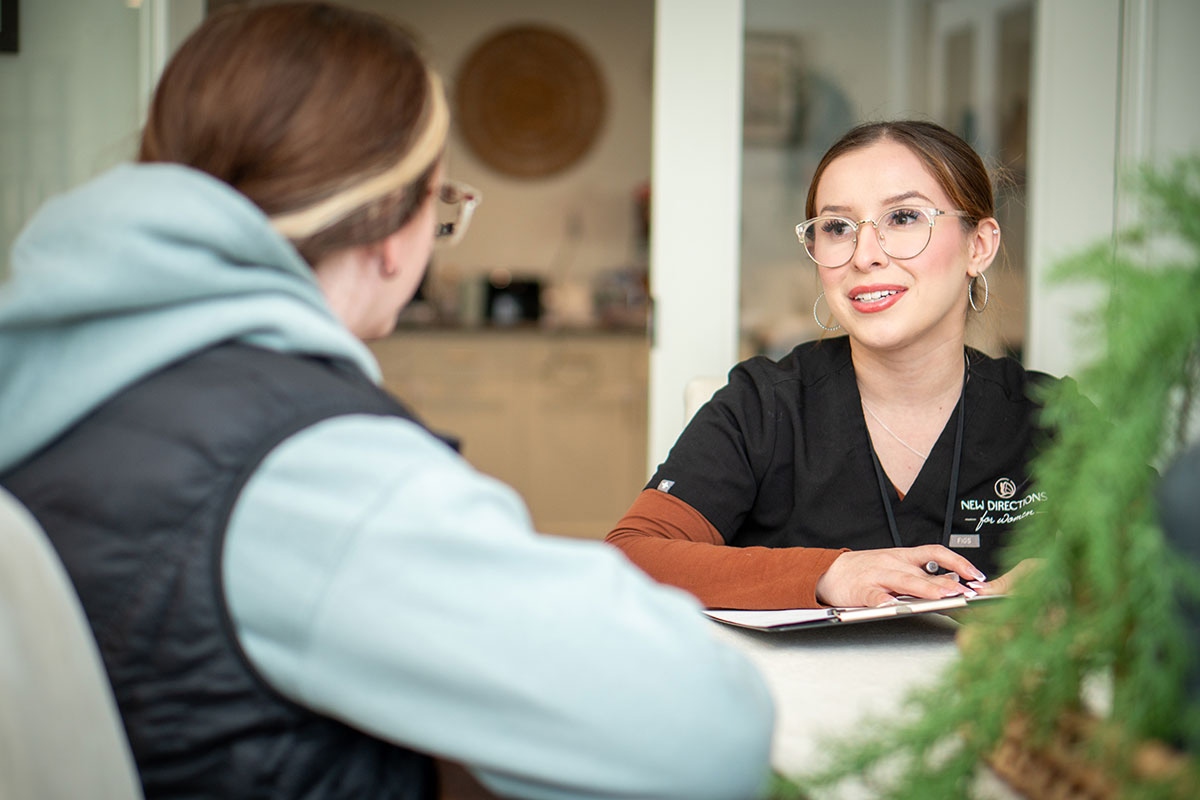
Clients receive steady care from trained professionals. The clinical team monitors progress, supports emotional health, and adjusts treatment plans as needed. This guidance helps clients feel secure and supported.
Supportive care includes:
- Assessments
- Medication monitoring if needed
- Emotional check ins
- Crisis support
- Progress evaluation
This level of care helps clients move through treatment with confidence.
Life Skills, Wellness Practices, and Emotional Growth During Rehab
Healing includes more than therapy. Clients learn practical skills that support long term stability.
Life skills may include:
- Communication improvement
- Stress management
- Healthy decision making
- Time management
- Relapse prevention
Wellness practices, such as grounding, fitness, and mindfulness, help clients reconnect with their bodies and reduce stress.
What Clients Can Expect After Completing Drug Rehab in Lake Forest
Recovery continues after treatment ends. Clients transition into aftercare programs that offer ongoing support and routine.
Aftercare may include:
- Continuing therapy
- Step down levels of care
- Alumni support
- Relapse prevention plans
- Life skills coaching
Clients leave with tools, confidence, and continued guidance from 12 South Recovery.
Start Drug Rehab at 12 South Recovery
Drug rehab in Lake Forest gives clients a steady place to heal, build structure, and regain control of their lives. Through therapy, routine, and supportive care, treatment helps people strengthen their mental health and create healthier patterns. 12 South Recovery provides structured, supportive rehab that helps clients rebuild their lives with clarity and confidence. Call 12 South Recovery Today!