










Key Takeaways:
- Residential treatment provides structure, safety, and daily therapy that help individuals stabilize opioid addiction and begin real healing.
- Therapy in residential care addresses cravings, mental health symptoms, trauma, and emotional patterns tied to opioid addiction.
- Long-term opioid recovery improves when clients transition into structured aftercare programs that reinforce new skills and ongoing support.
What Residential Opioid Treatment Feels Like
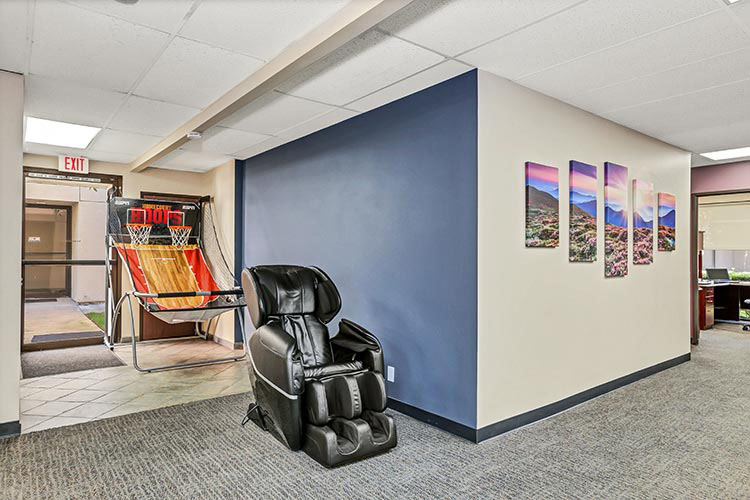
Opioid addiction can take over quickly, leaving people exhausted, discouraged, and unsure how to stop. Many reach a point where quitting alone feels unsafe or impossible, especially with the intense withdrawal and cravings tied to opioids. Residential treatment creates a safe, structured space where recovery finally becomes realistic. At 12 South Recovery, clients receive daily support, therapy, and a calming environment in Lake Forest.
Why Residential Treatment Is Often Needed for Opioid Addiction
Opioid addiction affects the brain and body in powerful ways, making recovery especially difficult without structured support. Many people experience dependence, severe cravings, and emotional instability that interfere with daily functioning. Residential treatment gives clients time, space, and professional care to stabilize and begin meaningful healing.
- Residential care helps clients:
- Step away from stress
- Reduce access to substances
- Begin withdrawal safely
- Build emotional strength
- Create healthier behaviors
Residential treatment becomes necessary when outpatient care is not enough or when opioid use has escalated to a dangerous level. In a structured environment, clients can focus fully on healing without outside pressure.
How a Structured Healing Environment Supports Opioid Recovery
Structure is one of the most important benefits of residential treatment. For people struggling with opioid addiction, days may have become unpredictable, stressful, or centered around withdrawal and relief-seeking. Structure brings balance, consistency, and a sense of safety.
- A structured residential program provides:
- Scheduled therapy sessions
- Consistent meal times
- Daily wellness activities
- Medication support
- Rest and recovery periods
At 12 South Recovery, structure does not feel rigid or harsh. Instead, clients experience a steady rhythm that makes healing feel possible again.
What Clients Experience Each Day in Residential Opioid Treatment
Daily life in residential treatment creates momentum and stability. Every part of the day supports recovery, emotional regulation, and confidence.
A typical day may include:
Morning:
Wellness activities, meditation, grounding practices, or fitness help clients center themselves before stepping into therapy.
Midday:
Individual therapy, group therapy, and psychoeducation sessions focus on rebuilding emotional health, understanding opioid addiction, and developing better coping skills.
Afternoon:
Holistic practices such as yoga, art, or outdoor activities help clients connect mind and body while reducing stress.
Evening:
Reflection, community support, and quiet time support emotional comfort and closure for the day.
Throughout the day, staff provide support, encouragement, and accountability, helping clients feel grounded and safe.
Therapies Used to Treat Opioid Addiction in Residential Care
Effective opioid recovery requires consistent therapy designed to address emotional, behavioral, and physical impacts. At 12 South Recovery, therapy helps clients understand their addiction, manage cravings, and rebuild healthy behaviors.
Treatment may include:
- Cognitive Behavioral Therapy (CBT): Helps clients identify harmful thoughts and replace them with healthier ones.
- Dialectical Behavior Therapy (DBT): Builds emotional regulation skills and reduces reactive behaviors linked to stress or cravings.
- EMDR Therapy: Supports healing from trauma and emotional pain that often plays a role in opioid addiction.
- Individual Therapy: Provides private space for deeper reflection and goal setting.
- Group Therapy: Builds connection, accountability, and shared understanding.
- Holistic and Adventure Activities: Support emotional grounding, confidence, and self-awareness.
- Relapse Prevention Training: Helps clients understand triggers and build strong coping strategies.
Each therapy plays a role in helping clients create long-term change and emotional stability.
How Residential Programs Help Manage Withdrawal and Cravings Safely
Opioid withdrawal is one of the most physically and emotionally intense types of withdrawal. Symptoms may include nausea, shaking, muscle pain, insomnia, anxiety, and strong cravings. Residential treatment makes this stage safer and more manageable.
At 12 South Recovery, clients may enter detox placement before entering treatment. Once in residential care, clients receive:
- Medical oversight
- Medication assistance if needed
- Emotional support
- Constant supervision
- Guidance through cravings
- A calming environment
Managing withdrawal safely is the first step toward rebuilding health. Without support, many people relapse quickly due to discomfort and fear. Residential treatment helps break that cycle.
The Importance of Mental Health Support in Opioid Recovery
Opioid addiction often develops alongside emotional pain, trauma, anxiety, depression, or stress. Without treating mental health, recovery becomes harder to sustain. Residential treatment integrates mental health care into everyday support.
- Clients receive:
- Emotional regulation skills
- Trauma-informed care
- Support for grief, stress, or relationship struggles
- Mood stabilization strategies
- Education on how mental health and addiction connect
By strengthening emotional health, clients gain tools that help them maintain recovery long after treatment ends.
Long Term Recovery Support After Residential Opioid Treatment in Lake Forest
Finishing residential treatment is a major step, but long-term recovery continues through ongoing support. Clients transition into structured aftercare programs that help them return to daily life with confidence.
- Aftercare may include:
- PHP
- IOP
- Outpatient therapy
- Alumni groups
- Continued relapse prevention
- Sober living support
At 12 South Recovery, continued care is designed to help clients build stability, maintain healthy routines, and stay connected to accountability and support.
Get Opioid Addiction Treatment at 12 South
Residential treatment gives individuals the safety, structure, and support needed to heal from opioid addiction and rebuild their lives. With daily therapy, medical guidance, and a calming environment, clients regain strength and stability. If you or someone you care about is ready for real help, Call 12 South Recovery Today!