













Key Takeaways:
- Polysubstance abuse causes dangerous and unpredictable drug interactions that sharply increase the chance of overdose, rapid health decline, and medical emergencies.
- Using multiple substances at once overpowers the brain and body, intensifies dependence, and leads to more severe addiction than single-drug use.
- Polysubstance abuse treatment at 12 South Recovery provides safe detox support, targeted therapy for multi-drug dependence, and structured care that strengthens long term recovery.
A Closer Look at What Polysubstance Abuse Really Means
Polysubstance abuse affects people more often than many realize, especially when stress, emotional pain, or ongoing cravings lead someone to mix drugs for stronger effects. It can begin quietly, with someone combining alcohol and pills or taking stimulants to balance depressants, but the risks quickly grow. Using multiple substances makes symptoms harder to manage and increases the chance of medical complications, overdose, and long term instability. At 12 South Recovery, we help clients understand these patterns and receive safe, structured care that supports lasting addiction recovery.
What Is Polysubstance Abuse
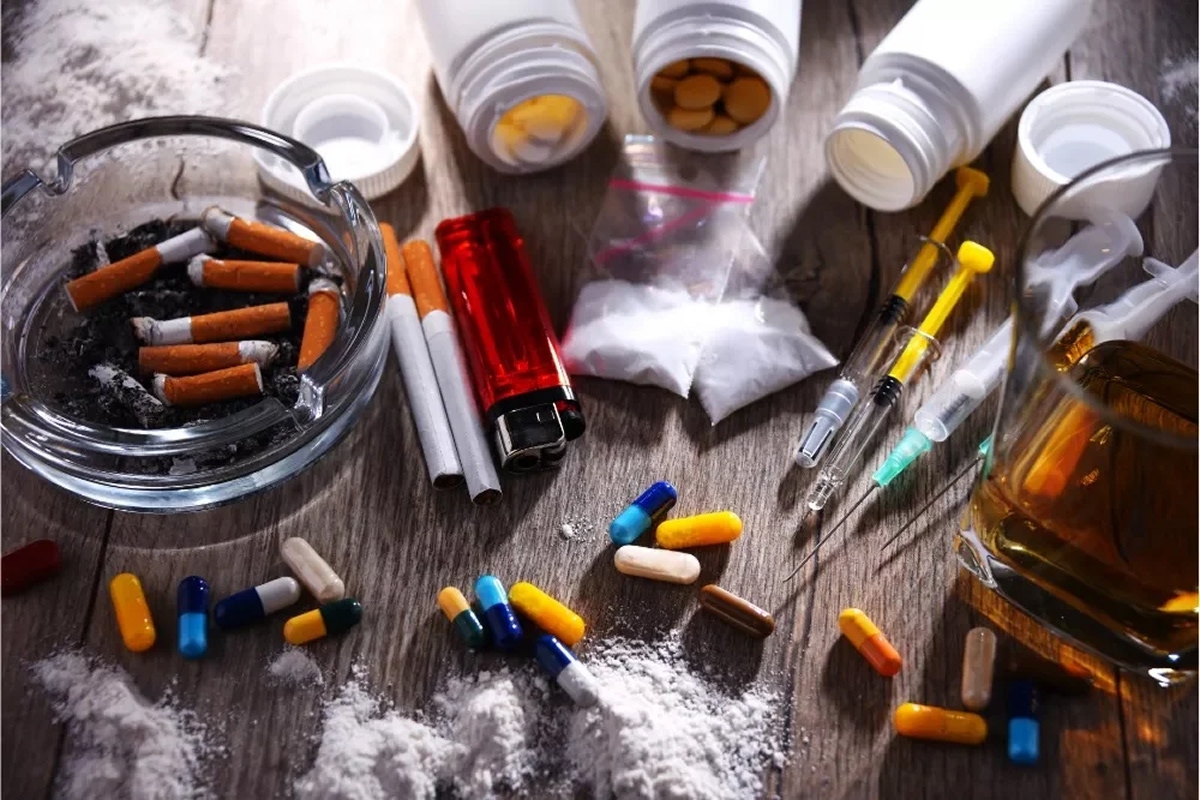
Polysubstance abuse refers to using two or more substances at the same time or within the same period to intensify effects, ease withdrawal, or offset unwanted symptoms from another drug. This pattern often affects people who struggle with stress, trauma, or mental health symptoms and turn to combinations of drugs for temporary relief.
Polysubstance abuse can involve:
- Alcohol
- Prescription medications
- Illegal drugs
- Over the counter drugs
Even when each substance seems harmless on its own, combining them creates unpredictable and dangerous effects.
What Are Common Substance Combinations People Use Together
People often combine substances to change or intensify how they feel. While every combination brings risk, some patterns appear more frequently in drug addiction.
Common combinations include:
Alcohol with Benzodiazepines
Many people mix alcohol with medications like Xanax or Valium, increasing sedation and slowing breathing to potentially fatal levels.
Opioids with Stimulants
This combination, often called “speedballing,” creates a rapid cycle of high and crash that strains the heart and increases overdose risk.
Alcohol with Stimulants
People may drink alcohol while taking cocaine or Adderall to stay energized longer, leading to dehydration, extreme heart strain, and dangerous decision making.
Multiple Prescription Drugs
Individuals who misuse prescriptions may mix painkillers, sleeping pills, or anxiety medications without realizing how strongly these drugs interact.
Each combination increases physical stress and raises the likelihood of long term health issues.
Why Polysubstance Abuse Is More Dangerous Than Single Drug Use
Polysubstance abuse creates danger because the body cannot predict or regulate how multiple substances will interact. The effects become harder to control, overdose becomes more likely, and medical providers have a more difficult time treating symptoms in an emergency.
Key factors include:
- Higher strain on the heart and brain
- Unpredictable changes in breathing and blood pressure
- Severe impairment in judgment
- Increased risk of accidental overdose
- Stronger physical dependence on more than one drug
Using multiple substances makes addiction more complex to treat and increases relapse risk without structured support.
How Mixing Multiple Drugs Affects the Brain and Body
Mixing drugs affects several systems in the body at once, often overwhelming them. Because each substance changes brain chemistry differently, combining them intensifies those effects.
Effects on the Brain
Multiple substances disrupt natural chemical signals responsible for mood, impulse control, and focus. This can lead to:
- Mood swings
- Memory problems
- Impulse control issues
- Heightened cravings
The brain becomes dependent on artificial stimulation rather than natural reward signals.
Effects on the Body
Polysubstance use places significant stress on major organs:
- Heart function becomes unstable
- Breathing may slow or stop
- Liver and kidneys struggle to filter toxins
- Dehydration and malnutrition become common
These effects increase risk of sudden medical emergencies or permanent damage.
What Are Signs and Symptoms That Someone May Be Using More Than One Substance
Recognizing polysubstance abuse early can prevent serious harm. Symptoms may appear gradually or intensify quickly depending on the drugs involved.
Common signs include:
- Extreme changes in mood or behavior
- Memory gaps and confusion
- Unpredictable sleep patterns
- Mixing medications without medical guidance
- Using drugs to counteract the effects of other drugs
- Strong cravings or withdrawal symptoms
- Neglecting responsibilities or withdrawing socially
Family members often notice these changes before the individual recognizes the pattern themselves.
What Are Short Term and Long Term Risks of Polysubstance Abuse
The risks of polysubstance abuse affect every part of a person’s life. Short term effects may be alarming, while long term effects can become severe without intervention.
Short Term Risks
- Overdose
Blackouts - Panic attacks or paranoia
- Dangerous decision making
- Severe dehydration
- Physical injury
Long Term Risks
- Heart and lung damage
- Cognitive decline
- Mood disorders
- Liver and kidney damage
- Higher relapse rates
- Increased risk of fatal overdose
The longer someone uses multiple substances, the harder it becomes to stop without professional addiction treatment.
How Treatment Programs Address Polysubstance Abuse Safely and Effectively
Treating polysubstance abuse requires structured care that stabilizes the body, regulates withdrawal, and addresses the reasons behind drug use. At 12 South Recovery, clients receive support through every phase of treatment.
Detox Placement
Clients receive safe placement for detox, where medical teams monitor withdrawal from multiple substances.
Structured Residential and Outpatient Programs
Treatment includes:
- Daily therapy
- Emotional support
- Skill development
- Relapse prevention
Evidence Based Therapies
Clients engage in:
- CBT
- DBT
- EMDR
- Group therapy
These therapies address emotional triggers, stress patterns, and underlying mental health concerns.
Holistic and Wellness Activities
These strengthen emotional grounding and rebuild physical stability.
Aftercare and Ongoing Support
Support continues through IOP, outpatient care, and alumni services to help clients maintain long term addiction recovery.
Start Polysubstance Abuse Treatment at 12 South Recovery
Polysubstance abuse can feel confusing, frightening, or isolating, but recovery becomes possible with structure, clarity, and support. Treatment helps clients break harmful patterns, rebuild health, and create sustainable habits that support long term stability. If you or a loved one is ready for help, Call 12 South Recovery Today!