















Key Takeaways:
- CBT focuses on the connection between thoughts, feelings, and behaviors so clients can recognize patterns that may be causing problems in their lives.
- Cognitive behavioral therapy can be used for several mental health concerns and can also support people receiving treatment for substance use.
- CBT works best when clients participate actively, practice new skills outside therapy, and work openly with their therapist.
A Different Way to Look at Your Thoughts
Your thoughts can affect how you feel and act each day. Negative thinking can make anxiety, depression, stress, or substance use harder to manage. Cognitive behavioral therapy (CBT) helps you recognize unhealthy thoughts and replace them with healthier ways of thinking and responding. CBT also teaches practical skills you can use in everyday situations. At 12 South Recovery in Lake Forest, CBT is used to support people with addiction and mental health concerns. If negative thoughts or behaviors are affecting your life, CBT may be a helpful treatment option.
Is CBT Therapy Right for My Mental Health Needs?
CBT therapy may be right for your mental health needs if thoughts and behaviors are contributing to emotional distress or problems in your daily life. It is a practical therapy that focuses on recognizing unhealthy patterns and finding more useful ways to respond.
For example, a person with anxiety may automatically assume that a difficult situation will end badly. That thought can increase fear and lead the person to avoid situations they actually want or need to face. CBT helps the person examine the thought instead of automatically accepting it as fact. The same basic process can apply to depression, stress, low self esteem, trauma related symptoms, substance use, and other concerns. The exact approach depends on what you are experiencing.
At 12 South Recovery, therapists can use CBT alongside other clinical approaches when appropriate. Treatment may also include DBT, EMDR, individual therapy, group therapy, holistic activities, adventure based therapy, and relapse prevention.
What Is CBT Therapy and How Does It Work?
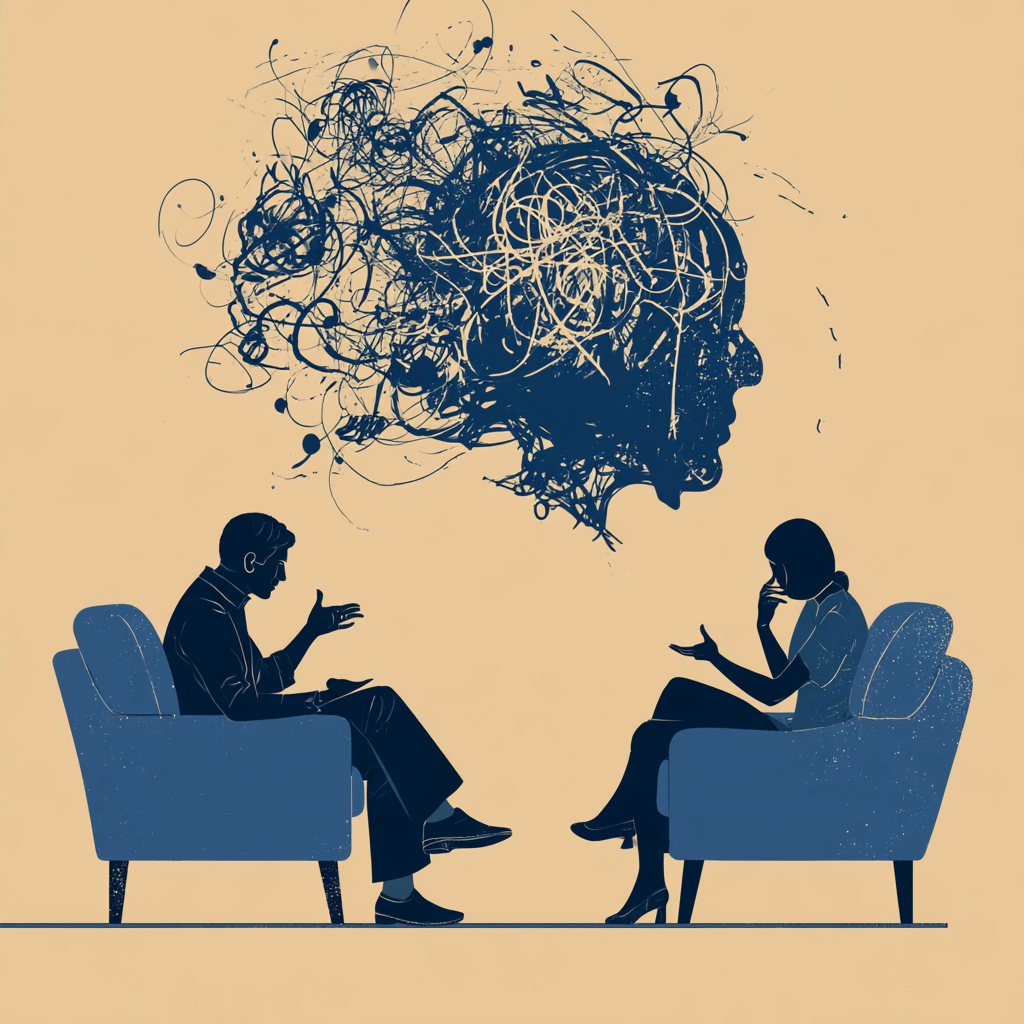
CBT is a form of talk therapy that examines how thoughts, emotions, and behaviors affect one another. The basic idea is that changing an unhealthy thinking or behavior pattern can influence how a person feels and responds.
Suppose you make a mistake at work and immediately think, “I mess everything up.” That thought may cause shame, anxiety, or frustration. Those emotions could then lead you to withdraw, become defensive, or stop trying.
During cognitive behavioral therapy, you might examine whether that thought accurately reflects what happened. One mistake does not mean everything you do is wrong. A more balanced response could be, “I made a mistake, but I can correct it and handle the situation differently next time.”
CBT is usually goal focused. A therapist may help you recognize automatic thoughts, identify behavior patterns, examine whether certain beliefs are accurate, and practice different responses.
What Mental Health Conditions Can CBT Therapy Help Treat?
Cognitive behavioral therapy can be used to address several mental health conditions, including anxiety and depression. It may also be incorporated into treatment for trauma related symptoms, substance use disorders, stress, and other behavioral or emotional concerns.
Anxiety is one common example. Anxious thinking can involve expecting the worst, focusing heavily on possible threats, or avoiding situations because they feel uncomfortable. CBT can help identify these patterns and develop healthier responses.
Depression can involve a different pattern. Someone may experience harsh thoughts about themselves, their future, or their ability to change. These beliefs can contribute to withdrawal and loss of motivation. Therapy can help a person examine those thoughts while gradually changing behaviors that keep the pattern going.
CBT is also widely used in substance use treatment. Thoughts such as “I cannot handle stress without drinking” or “using once will not matter” can influence decisions. Identifying those thoughts can give clients an opportunity to respond differently.
What Happens During a Typical CBT Therapy Session?
A typical CBT session involves discussing current concerns, identifying thought or behavior patterns, and practicing specific ways to respond differently. Sessions are usually structured around problems that matter in your everyday life.
Your therapist may begin by checking how you have been feeling since the previous session. You might discuss situations that caused anxiety, sadness, anger, cravings, or another difficult reaction.
A therapist might also introduce a skill to practice. Depending on your needs, that could involve challenging an inaccurate thought, changing an avoidance behavior, solving a problem, or practicing a healthier coping response.
How Can CBT Help Change Negative Thoughts and Behaviors?
CBT helps change negative thoughts and behaviors by teaching you to notice patterns, examine them, and practice more balanced responses. The goal is not to pretend everything is positive. It is to respond to situations more accurately and effectively.
Negative thoughts often become automatic. You may have repeated the same belief for so long that you barely notice it anymore. For instance, someone might think, “Nobody wants me around,” after a friend takes several hours to respond to a text. That thought can lead to sadness or anger. The person might then ignore the friend, start an argument, or isolate themselves.
CBT slows that process down. Instead of immediately reacting, the person can examine other explanations. The friend could be working, driving, sleeping, or simply busy. Considering the evidence can reduce the power of the original assumption.
Behavior is another important part of cognitive behavioral therapy. Sometimes changing what you do can affect how you feel. A person experiencing depression may begin with small activities instead of waiting until motivation returns. Someone with anxiety may gradually face situations they have been avoiding when clinically appropriate.
How Long Does CBT Therapy Take to Start Working?
The amount of time CBT takes to help varies based on your symptoms, goals, participation, and the problems being treated. Some people notice useful changes relatively early, while others need more time and practice.
CBT is generally considered a structured and goal focused therapy, but that does not mean there is one fixed timeline. Someone working on a specific problem may have different needs from a person dealing with several mental health concerns alongside addiction. The severity and duration of symptoms can also affect treatment length.
Progress may initially appear in small ways. You might notice an unhealthy thought sooner than you did before. Perhaps you stop yourself before reacting impulsively. You may use a coping skill during a stressful situation or attend an activity you previously avoided.
Practicing outside therapy matters because CBT skills are intended for everyday life. Attending sessions without applying the strategies between appointments may limit progress. The goal is not to finish therapy as quickly as possible. Treatment should provide enough time to address your needs and build skills you can continue using.
How Does CBT Compare to Other Types of Mental Health Therapy?
CBT differs from other forms of mental health therapy because it places strong emphasis on current thoughts, behaviors, and practical problem solving. Other approaches may focus more heavily on emotional regulation, trauma processing, relationships, or past experiences.
DBT, for example, shares some features with CBT but places greater emphasis on skills such as emotional regulation, distress tolerance, mindfulness, and interpersonal effectiveness. EMDR takes a different approach and may be used to address traumatic experiences and related symptoms. Individual therapy gives a client private time with a therapist. Group therapy creates opportunities to receive support, hear other perspectives, and practice communication with peers.
These approaches do not always have to be used separately. A treatment plan may incorporate several therapeutic methods based on the client’s needs.
12 South Recovery provides CBT, DBT, EMDR, individual and group therapy, holistic approaches, adventure based therapy, and relapse prevention. This gives clinicians several ways to address mental health and substance use concerns.
How Do I Know If CBT Therapy Is a Good Fit for Me?
CBT may be a good fit if you want a structured, practical form of therapy and are willing to examine how your thoughts and behaviors affect your mental health. You do not need to know exactly what is causing your symptoms before starting therapy. Part of treatment involves identifying patterns that may be difficult to see on your own.
CBT may be worth discussing with a mental health professional if you regularly struggle with negative thinking, avoidance, anxiety, low mood, unhealthy coping behaviors, or reactions that interfere with relationships and daily responsibilities.
Your willingness to participate also matters. CBT often involves practicing skills outside sessions. Progress requires more than talking about a problem. You will be encouraged to try different responses and evaluate what happens. You also do not have to decide whether CBT is right for you by yourself. A mental health professional can review your symptoms, treatment history, current concerns, and goals before recommending an approach.
At 12 South Recovery, CBT can be incorporated into different levels of addiction and mental health care. If another therapy or level of support fits your situation better, that can be considered as part of treatment planning.
Why Do People Choose 12 South Recovery for CBT Therapy?
People choose 12 South Recovery for CBT because treatment can address mental health concerns alongside substance use and other behavioral patterns. The Lake Forest treatment center offers several levels of care and multiple therapeutic approaches.
12 South Recovery focuses on identifying issues that contribute to harmful behaviors rather than addressing substance use in isolation. Therapists work with clients to recognize psychological concerns and develop healthier responses.
CBT is one option within this approach. Clients may also participate in DBT, EMDR, individual therapy, group therapy, holistic activities, adventure based therapy, and relapse prevention based on their treatment needs.
Different levels of care are available as well. 12 South Recovery provides detox, residential treatment, PHP, IOP, continuing care, and an alumni program. This allows clients to receive different amounts of structure depending on their clinical situation.
Call 12 South Recovery to Find Out if CBT Is Right for You
Cognitive behavioral therapy can be a useful option if negative thoughts and behaviors are affecting your mental health, relationships, recovery, or everyday life. CBT gives you practical ways to recognize those patterns and respond differently rather than remaining stuck in the same cycle. At 12 South Recovery, CBT can be combined with other therapies and levels of addiction and mental health treatment based on your needs. You do not have to determine the right therapy on your own. A clinical assessment can help identify which services may fit your situation. Call 12 South Recovery Today!