













Getting Sober Takes Time, but Every Day Counts
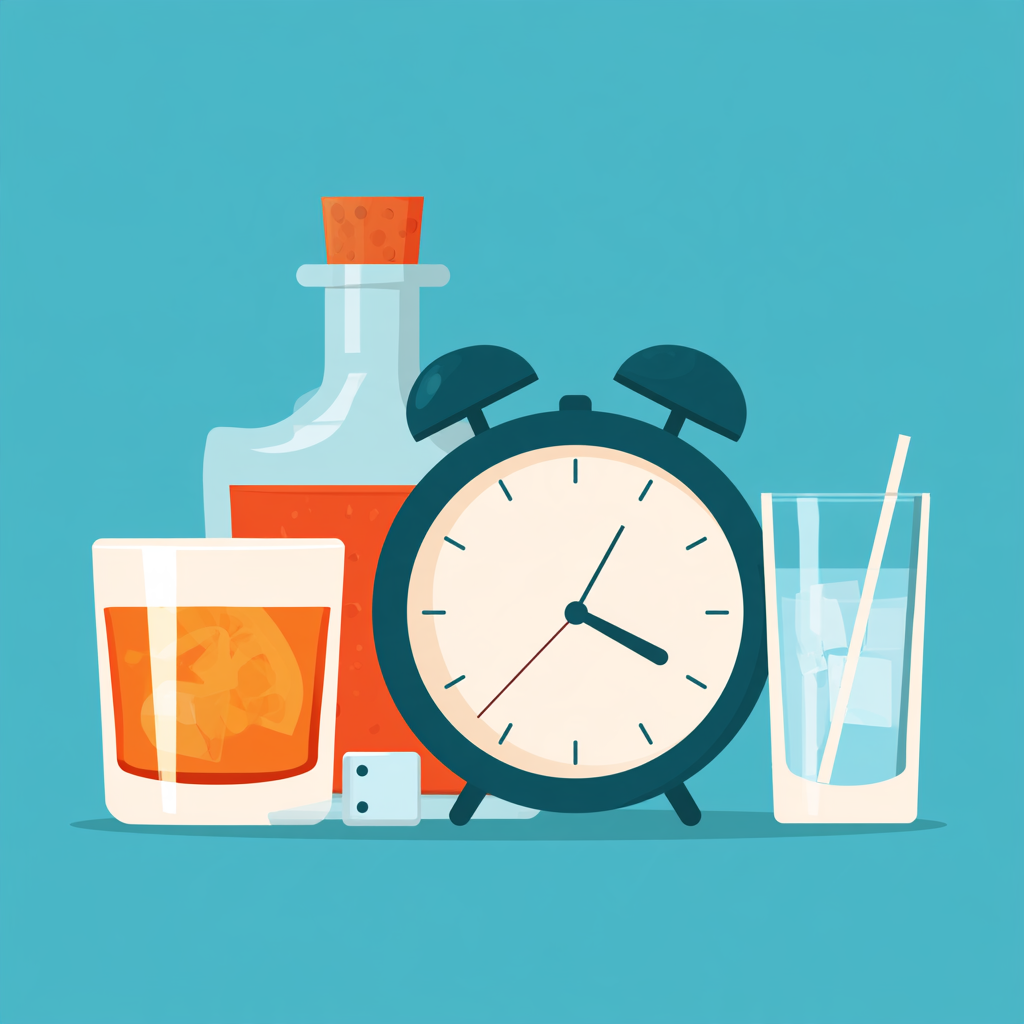
Getting sober takes time, but how long does it actually take? It depends on the substance used, how often you use it, and your overall health. While drugs and alcohol may leave your body within hours or days, withdrawal symptoms and cravings can last longer. Staying sober also means addressing the habits and mental health concerns connected to addiction. At 12 South Recovery in Lake Forest, CA, we offer medical detox, residential treatment, outpatient programs, and ongoing support to help you get sober and stay sober.
How Long Does It Take to Get Sober From Drugs or Alcohol?
The time it takes to get sober depends on the substance used, how often you use it, and your overall health.
The effects of drugs or alcohol may wear off within hours, but the substances can remain in your body longer. Withdrawal symptoms may last several days or weeks, while staying sober requires ongoing support and healthy habits.
The table below shows general recovery timelines.
| Stage of Recovery | General Timeframe |
| Intoxication wears off | Several hours or longer |
| Acute withdrawal | Several days to a few weeks |
| Early recovery | Several weeks to months |
| Long-term sobriety | Ongoing |
At 12 South Recovery, we provide medical detox and addiction treatment to help clients get sober and maintain long-term recovery.
What Factors Affect How Long It Takes to Get Sober?
There is no set timeline for getting sober. Several factors can affect how long withdrawal lasts and how your body responds to quitting drugs or alcohol.
- Type of Substance: Different substances cause different withdrawal symptoms. Some begin within hours, while others take several days to appear.
- Amount and Frequency of Use: Heavy or regular substance use can increase physical dependence and make withdrawal more difficult.
- Physical Health: Your age, medical history, and overall health can affect how your body responds to withdrawal.
- Mental Health: Anxiety, depression, and PTSD can make early recovery more challenging.
- Treatment and Support: Professional care can help manage withdrawal symptoms and support long-term sobriety.
How Long Does It Take for Alcohol and Drugs to Leave Your System?
Alcohol and drugs leave the body at different rates. The timing depends on the substance, amount used, frequency of use, and overall health.
A substance may remain in your body even after its effects wear off. Withdrawal symptoms can also begin before the substance has completely left your system.
Alcohol
The body typically lowers blood alcohol concentration by about 0.015 per hour, although this varies. For example, a blood alcohol level of 0.08 may take around five to six hours to reach zero after alcohol absorption is complete.
Coffee, showers, and sleep do not speed up this process. Heavy alcohol use can also cause withdrawal symptoms after drinking stops.
Opioids
Opioids leave the body at different rates. Heroin is processed quickly, while medications such as methadone can remain in the body much longer. Withdrawal symptoms may begin before the drug is completely gone.
Benzodiazepines
Some benzodiazepines leave the body within days, while others remain longer. Suddenly stopping these medications after regular use can cause dangerous withdrawal symptoms, including seizures.
Cocaine and Methamphetamine
Cocaine’s effects often wear off quickly, but traces can remain detectable for days. Methamphetamine can affect the body for several hours and may take longer to clear.
Both drugs can cause fatigue, mood changes, and cravings after stopping use.
At 12 South Recovery, our medical detox program helps clients manage withdrawal symptoms and prepare for continued addiction treatment.
What Happens During the First Few Days of Sobriety?
The first few days of sobriety can be difficult as your body adjusts to being without drugs or alcohol. During this time, you may experience withdrawal symptoms such as:
- Anxiety and irritability
- Sweating or shaking
- Nausea and stomach problems
- Trouble sleeping
- Fatigue and headaches
- Strong cravings
Withdrawal symptoms depend on the substance used and your level of dependence. Some people experience mild symptoms, while others may develop serious complications.
Alcohol and benzodiazepine withdrawal can cause dangerous seizures. Severe alcohol withdrawal may also cause delirium tremens. Medical supervision is important for anyone at risk of these complications.
What Happens During the First 24 Hours?
During the first 24 hours, some people experience anxiety, sweating, nausea, or cravings. Others may not notice symptoms until later.
At 12 South Recovery, medical detox begins with an assessment of your substance use, health, and withdrawal risks. Our medical team monitors symptoms and provides care to help you safely manage withdrawal.
As symptoms improve, clients can begin therapy and focus on the next stage of recovery.
How Long Do Withdrawal Symptoms Last After Quitting Drugs or Alcohol?
Withdrawal symptoms can last several days or weeks, depending on the substance used. Some symptoms begin within hours, while others may take a few days to appear.
The table below shows common withdrawal timelines.
| Substance | Common Withdrawal Timeline |
| Alcohol | Begins within 6 to 24 hours and often improves within 3 to 7 days |
| Short-acting opioids | Begins within 6 to 24 hours and usually lasts 4 to 10 days |
| Benzodiazepines | May begin within several days and last weeks or longer |
| Cocaine | Fatigue, mood changes, and cravings may last days to weeks |
| Methamphetamine | Symptoms often last several days to 2 weeks or longer |
According to the National Institute on Drug Abuse (NIDA), addiction treatment may include medication, therapy, and continued care. Detox helps manage withdrawal, but additional treatment is often needed for long-term recovery.
Can Withdrawal Symptoms Last Longer Than Two Weeks?
Yes. Some people experience anxiety, sleep problems, depression, fatigue, or cravings for weeks or months after quitting drugs or alcohol.
These symptoms may improve over time, but continued treatment can help.
How Does Medical Detox Help You Get Sober Safely?
Medical detox helps people safely stop using drugs or alcohol with professional medical care. It helps manage withdrawal symptoms, monitor health, and reduce the risk of serious complications.
Detox may be recommended for people who are physically dependent on alcohol, benzodiazepines, opioids, or other substances.
What Happens During Medical Detox?
Medical detox begins with an assessment of your substance use, medical history, and withdrawal symptoms.
During detox, medical professionals monitor your health and provide care to help manage symptoms. Medication may also be used when needed.
The length of detox depends on the substance used and how your body responds.
What Happens After Detox?
Detox helps manage physical withdrawal, but continued treatment is often needed to address addiction.
At 12 South Recovery, we offer several treatment options, including:
- Residential Treatment: Structured addiction treatment in a live-in setting.
- Partial Hospitalization Program (PHP): Intensive daytime treatment without overnight stays.
- Intensive Outpatient Program (IOP): Flexible treatment that allows clients to manage daily responsibilities.
- Continuing Care and Alumni Support: Ongoing support after treatment.
At 12 South Recovery, we also provide CBT, DBT, EMDR, individual therapy, group counseling, and relapse prevention to help clients address addiction and build healthier habits.
How Long Does It Take to Feel Normal Again After Getting Sober?
Many people start feeling physically better within days or weeks after getting sober. However, sleep, mood, energy, and concentration may take longer to improve.
Recovery timelines depend on your health, substance use history, and treatment needs.
The First Week
During the first week, withdrawal symptoms may cause fatigue, anxiety, sleep problems, and changes in appetite. Medical care can help manage these symptoms.
The First Month
As your body adjusts, sleep, appetite, and energy may begin to improve. Cravings and mood changes can still occur, but therapy can help you manage them.
The First Three Months
During the first few months, many people begin building healthier routines and feeling more emotionally stable. Some days may still be difficult, making continued treatment important.
After Three Months
Over time, concentration, relationships, and daily habits may improve. Some people need longer to feel better, especially if they have mental health concerns or a history of long-term substance use.
At 12 South Recovery, we provide addiction treatment and mental health support to help clients build healthy habits and maintain long-term sobriety.
What Can Help You Stay Sober After Addiction Treatment?
Getting sober is the first step, but staying sober requires healthy habits and continued support. After treatment, stress, cravings, and everyday challenges can make recovery difficult. Having a plan can help you stay on track.
Continue Therapy and Recovery Support
Individual and group therapy can help you manage cravings, stress, and triggers. At 12 South Recovery, our PHP, IOP, and continuing care programs provide ongoing support after treatment.
Build Healthy Daily Habits
Getting enough sleep, eating healthy meals, exercising, and following a daily routine can help support long-term sobriety.
Stay Connected With Supportive People
Family, friends, and recovery groups can provide encouragement and support. Having people to talk to during difficult times can help you stay sober.
Create a Relapse Prevention Plan
A relapse prevention plan helps you identify triggers, recognize warning signs, and manage cravings. It also gives you steps to follow when challenges arise.
At 12 South Recovery, we help clients develop relapse prevention skills and prepare for life after treatment.
Why Do People Choose 12 South Recovery for Addiction Treatment?
At 12 South Recovery in Lake Forest, CA, we provide addiction and mental health treatment to help people get sober and build healthier lives.
People choose 12 South Recovery for several reasons:
- Medical Detox: Medical care and support during withdrawal.
- Residential Treatment: Structured addiction treatment in a supportive setting.
- PHP and IOP: Flexible treatment options for continued recovery.
- Mental Health Care: Support for addiction and mental health concerns.
- Evidence-Based Therapies: CBT, DBT, EMDR, individual therapy, and group counseling.
- Holistic and Adventure Therapy: Activities that support physical and mental health.
- Continuing Care and Alumni Program: Ongoing support after treatment.
At 12 South Recovery, our team helps clients address the causes of addiction, develop healthier habits, and rebuild relationships. We provide the care and support needed to work toward long-term sobriety.
Ready to Get Sober? Call 12 South Recovery Today!
The time it takes to get sober depends on the substance used, withdrawal symptoms, and your recovery needs. Some people feel better within days, while others may need weeks or months. Medical detox and continued treatment can help you safely stop using substances and maintain sobriety. At 12 South Recovery in Lake Forest, CA, we offer detox, residential treatment, PHP, IOP, and ongoing support to help you build a healthier life. Call 12 South Recovery Today!